Temporary Notes vs Traditional Messaging: Which Is Right for You?

Sarah Mitchell
21 March 2026
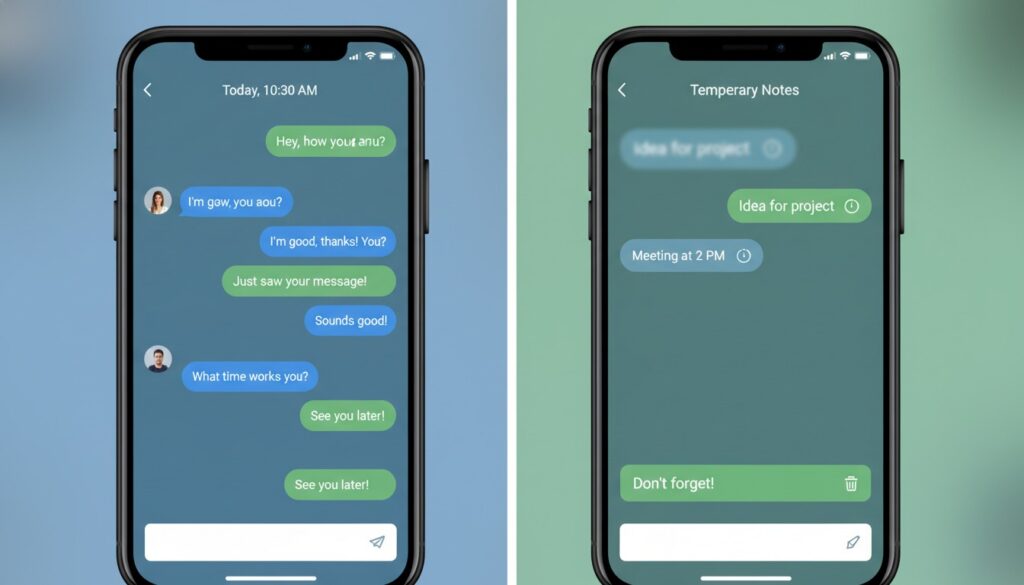
Temporary Notes vs Traditional Messaging: Which Is Right for You?
Introduction
In today’s digital landscape, the way we communicate has evolved dramatically. With growing concerns about privacy breaches, data mining, and digital surveillance, many users are questioning whether traditional messaging platforms still serve their best interests. Enter temporary notes – a revolutionary approach to digital communication that prioritizes privacy and security above all else.
But how do you decide between the convenience of traditional messaging apps like WhatsApp, Telegram, or SMS, and the enhanced security of temporary note services? This comprehensive guide will help you understand the fundamental differences, weigh the pros and cons, and make an informed decision based on your specific communication needs.
Understanding Traditional Messaging Platforms
Traditional messaging platforms have dominated our digital communication for decades. These include SMS, email, WhatsApp, Facebook Messenger, Telegram, and countless other applications that store your conversations on servers.
Key Characteristics of Traditional Messaging
- Persistent storage: Messages remain accessible indefinitely unless manually deleted
- Cross-device synchronization: Access conversations from multiple devices
- Rich media support: Share photos, videos, documents, and voice messages
- Group functionality: Create and manage group conversations
- Search capabilities: Find old messages through built-in search features
- Data retention: Your messages are stored on company servers indefinitely
- Third-party access: Governments and hackers can potentially access your data
- Advertising profiling: Companies may analyze your messages for targeted advertising
- Data breaches: Centralized storage makes platforms attractive targets for cybercriminals
- Self-destruction: Messages automatically delete after a set time period
- No permanent storage: Data isn’t retained on servers after deletion
- Minimal metadata: Limited tracking of user activity and message details
- End-to-end encryption: Messages are encrypted during transmission and storage
- Loss of important information: Critical details might disappear before you can save them elsewhere
- Limited functionality: Many temporary platforms offer fewer features than traditional messaging apps
- Adoption challenges: Convincing contacts to switch to new platforms can be difficult
- No backup options: Once messages are gone, they’re typically irretrievable
- Messages stored indefinitely on company servers
- Backups may be retained even after user deletion
- Subject to government data requests and legal discovery
- Potential for data mining and analysis
- Minimal or no server storage after message expiration
- Automatic deletion prevents long-term data accumulation
- Limited exposure to legal requests due to lack of stored data
- Reduced opportunity for behavioral analysis
- Traditional platforms: Often collect extensive metadata including timestamps, location data, device information, and usage patterns
- Temporary note services: Typically collect minimal metadata and delete it along with message content
- How sensitive is your typical communication?
- What are the potential consequences if your messages were exposed?
- Do you live or work in an environment with heightened privacy concerns?
- Do you frequently need to reference old messages?
- How important are advanced features like file sharing and group management?
- Do you need cross-device synchronization?
- Are your primary contacts willing to adopt new communication platforms?
- How important is it to maintain compatibility with existing communication channels?
- Can you effectively segment different types of conversations across multiple platforms?
- Use traditional messaging for routine, non-sensitive communication
- Switch to temporary notes for private, confidential, or sensitive discussions
- Clearly communicate platform preferences to your contact network
- Regularly review and adjust your communication strategy based on evolving needs
- Download a reputable temporary note app and test it with trusted contacts
- Review the privacy settings on your existing messaging platforms
- Educate your close contacts about the benefits of secure communication
- Develop a personal communication protocol that protects your most sensitive information
Benefits of Traditional Messaging
Traditional messaging platforms offer several advantages that have made them the go-to choice for billions of users:
Convenience and Accessibility
Your message history is always available, making it easy to reference past conversations, retrieve important information, or continue discussions across different sessions.
Feature-Rich Experience
Most platforms offer extensive functionality including file sharing, video calls, voice messages, stickers, and integration with other services.
Universal Adoption
With widespread usage, you can easily connect with friends, family, and colleagues without worrying about platform compatibility.
Drawbacks of Traditional Messaging
However, traditional messaging comes with significant privacy and security concerns:
“The biggest risk with traditional messaging is that you’re trusting a third party with your most private conversations, often without knowing how that data will be used or who might gain access to it.” – Cybersecurity Expert
Exploring Temporary Notes and Ephemeral Messaging
Temporary notes represent a paradigm shift in digital communication. These platforms are designed with privacy-first principles, ensuring that your messages disappear after a predetermined time or after being read.
How Temporary Notes Work
Temporary note services typically operate on these core principles:
Popular Temporary Note Platforms
Snapchat: Pioneer in disappearing messages with multimedia support
Signal: Offers disappearing messages alongside traditional messaging
Wickr: Enterprise-focused with military-grade encryption
Dust: Designed specifically for private, temporary communication
Telegram Secret Chats: Self-destructing messages within the Telegram ecosystem
Advantages of Temporary Notes
Enhanced Privacy Protection
With automatic message deletion, there’s no permanent record that can be accessed by unauthorized parties or used against you in the future.
Reduced Digital Footprint
Temporary messaging helps minimize your overall digital presence, reducing the amount of personal data floating in cyberspace.
Protection Against Data Breaches
Since messages are automatically deleted, even if a platform is compromised, there’s limited historical data for hackers to access.
Peace of Mind
Knowing that your conversations won’t be stored indefinitely can encourage more open and honest communication.
Limitations of Temporary Notes
Security and Privacy Comparison
Data Encryption Standards
Traditional Messaging
While many modern platforms offer end-to-end encryption, the implementation varies significantly. Some platforms like WhatsApp provide strong encryption, while others like SMS offer virtually no protection.
Temporary Notes
Most temporary note services prioritize encryption as a core feature, often implementing AES-256 encryption or similar military-grade standards.
Server Storage Policies
Traditional Messaging
Temporary Notes
Metadata Collection
Both types of platforms collect metadata, but the extent varies:
Use Case Scenarios: When to Choose Each Option
Choose Traditional Messaging When:
Professional Communication
For business discussions, project coordination, or any scenario where you need to reference past conversations and maintain detailed records.
Family Coordination
Sharing important family information, coordinating schedules, or maintaining long-term group conversations that serve as informal family archives.
Educational Purposes
Study groups, course discussions, or any learning environment where you might need to review previous exchanges.
Customer Service
When dealing with support tickets or warranty claims where message history provides valuable context.
Choose Temporary Notes When:
Sensitive Personal Conversations
Discussing private matters, sharing confidential information, or having conversations you prefer to keep completely private.
Professional Confidentiality
Journalists communicating with sources, lawyers discussing cases, or healthcare professionals sharing patient information.
Political Activism
Organizing protests, discussing sensitive political topics, or any scenario where message history could pose risks.
Dating and Relationships
Early relationship conversations or any romantic communication where privacy is paramount.
Financial Discussions
Sharing account numbers, discussing investments, or any money-related conversations that could be exploited if compromised.
Making the Right Choice for Your Needs
Assessment Framework
To determine which communication method suits your needs, consider these key factors:
Privacy Requirements
Functionality Needs
Contact Network
Hybrid Approach Strategy
Many privacy-conscious users adopt a dual-platform strategy:
Implementation Best Practices
For Traditional Messaging Users
Regular Cleanup
Periodically delete old conversations and media files to minimize your digital footprint.
Privacy Settings Optimization
Review and adjust privacy settings regularly, including read receipts, last seen status, and profile visibility.
Platform Selection
Choose messaging apps with strong encryption and transparent privacy policies.
For Temporary Note Users
Backup Critical Information
Before messages disappear, save important details like addresses, phone numbers, or appointment times in a separate, secure location.
Clear Communication
Inform contacts about message expiration times to ensure important information is received and processed promptly.
Platform Reliability
Choose established temporary note services with proven track records and reliable infrastructure.
Future Trends in Digital Communication
The communication landscape continues evolving, with several trends shaping the future:
Increased Privacy Awareness
Growing public awareness of digital privacy issues is driving demand for more secure communication options.
Regulatory Changes
New privacy laws like GDPR and CCPA are influencing how messaging platforms handle user data.
Technological Advances
Improvements in encryption technology and decentralized communication protocols are making secure messaging more accessible.
Integration Solutions
New platforms are emerging that combine the convenience of traditional messaging with the security of temporary notes.
Conclusion
Choosing between temporary notes and traditional messaging isn’t a binary decision – it’s about understanding your unique communication needs and risk tolerance. Traditional messaging platforms excel in convenience, functionality, and universal adoption, making them ideal for routine communication where message persistence is valuable. Temporary note services prioritize privacy and security, offering peace of mind for sensitive conversations but with trade-offs in functionality and adoption.
The most effective approach for many users involves a strategic combination of both methods. Use traditional messaging for everyday communication where convenience and features matter most, and switch to temporary notes when privacy and security are paramount.
As digital privacy concerns continue to grow and technology evolves, we can expect to see more sophisticated solutions that bridge the gap between convenience and security. The key is staying informed about your options and regularly reassessing your communication strategy to ensure it aligns with your current needs and risk profile.
Remember, the best communication tool is the one that matches your specific requirements while providing the level of privacy and security you’re comfortable with. Take time to evaluate your communication patterns, assess your privacy needs, and choose the platforms that best serve your personal and professional goals.
Call-to-Action
Ready to enhance your digital communication security? Start by auditing your current messaging habits and identifying conversations that would benefit from increased privacy protection. Research temporary note platforms that align with your needs, and consider implementing a hybrid communication strategy that balances convenience with security.
Take action today:
Your privacy is worth protecting – make informed choices about how you communicate in our increasingly connected world.